Baby G-Klasse: Mercedes' Bold Move Against Bronco and Defender
For decades, the Mercedes-Benz G-Klasse has stood as an undisputed icon of luxury, ruggedness, and exclusivity. Its unmistakable boxy silhouette, commanding presence, and legendary off-road capabilities have cemented its status as a symbol of aspiration and adventure. But the automotive landscape is shifting, and even titans must adapt. Mercedes-Benz is reportedly making a significant strategic pivot, venturing beyond its pure luxury focus to embrace a broader market. At the heart of this evolution is a project that has car enthusiasts buzzing: the Baby G-Klasse, also affectionately known as the "Little G" or "Mini G." This compact, more accessible version of the legendary off-roader is poised to shake up the premium compact SUV segment, directly challenging established rivals like the Ford Bronco and Land Rover Defender.
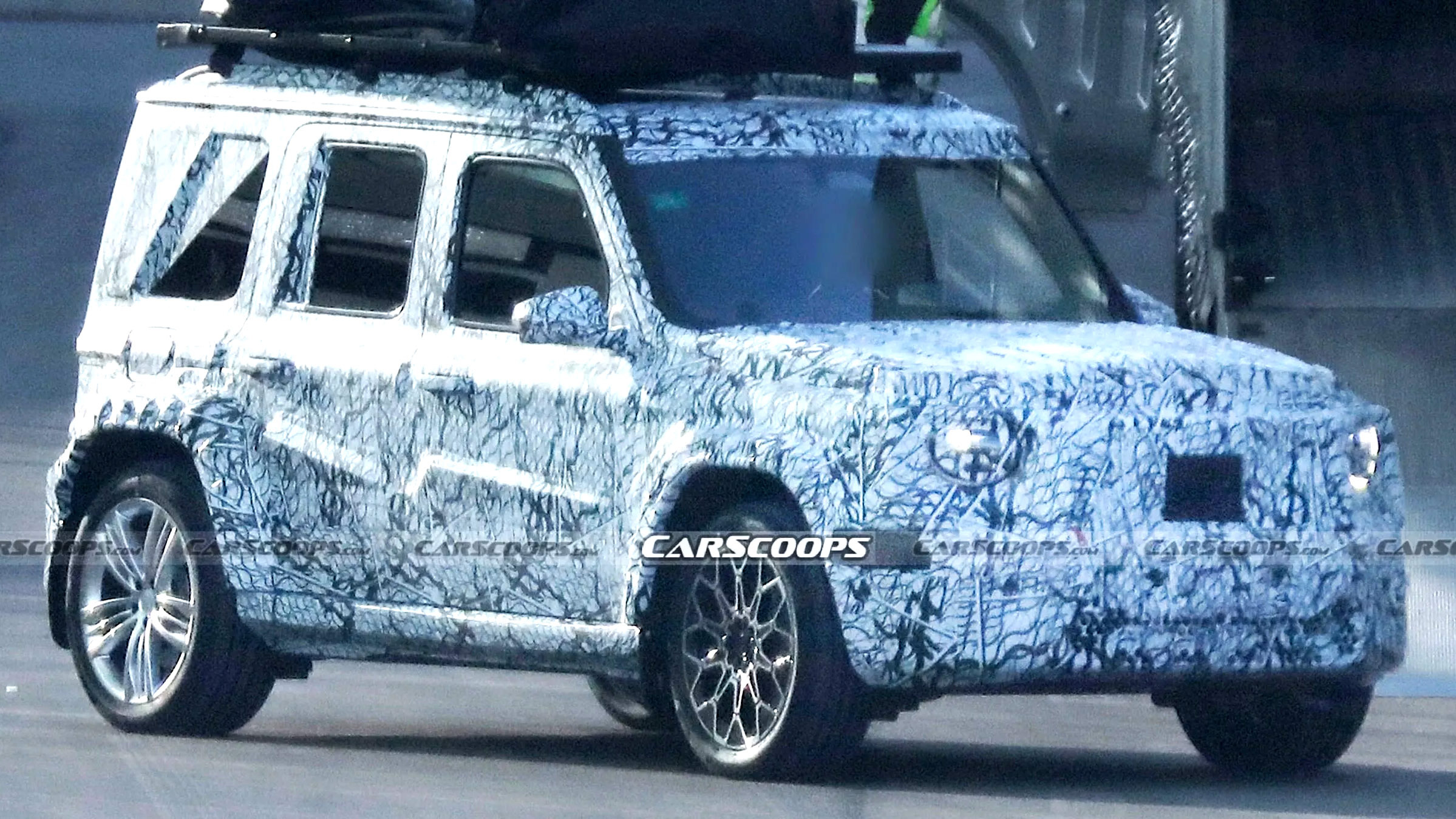
Recent spy shots of the Baby G-Klasse during test drives confirm its existence, showcasing a model that unequivocally carries the G-Klasse DNA, albeit in a shrunken form. This bold move by Mercedes-Benz signals a desire to capture a wider audience, bringing the coveted G-Klasse mystique to a segment that demands both capability and everyday usability. But what exactly will this scaled-down icon entail, and what does it mean for the future of the Mercedes-Benz brand?
Mercedes' Strategic Pivot: Embracing Accessibility
Mercedes-Benz CEO Ola Källenius confirmed the development of a smaller G-Klasse model, underscoring a strategic re-evaluation within the company. For a period, Mercedes had been doubling down on its ultra-luxury offerings, but market dynamics and the pursuit of sustained growth necessitate a more diversified approach. The decision to introduce the Baby G-Klasse reflects a recognition that while top-tier luxury remains crucial, there's immense potential in appealing to a broader demographic. This isn't about diluting the brand; it's about expanding its reach and fostering loyalty earlier in the customer journey.
This move aligns with a growing trend among luxury automakers to introduce more accessible, entry-level models that retain the brand's core identity. Think of Porsche's Macan, which successfully brought the Porsche experience to a new segment without cannibalizing Cayenne sales. The Baby G-Klasse aims to replicate this success, tapping into the aspirational appeal of the G-Wagen for customers who might find its full-sized counterpart too expensive, too large for urban living, or simply out of reach. By offering a "son or daughter of the big G," Mercedes-Benz can introduce younger buyers or those with different lifestyle needs to the brand's unique blend of rugged elegance and engineering prowess, potentially securing them as long-term customers across their product portfolio.
Unveiling the "Little G": Design, Dimensions, and Urban Appeal
The defining characteristic of the Mercedes "Little G": Everything We Know About the Compact Off-Roader is its ability to shrink the iconic G-Klasse aesthetic without losing its essential charm. Spy photographs clearly show a vehicle that retains the G-Wagen's signature elements: the upright, boxy silhouette, prominent wheel arches, round headlights, and possibly even the rear-mounted spare wheel. This commitment to visual authenticity is crucial, as the G-Klasse's design is arguably as legendary as its performance.
However, the key differentiator will be its significantly reduced dimensions. While the full-size G-Wagen often feels cumbersome in congested city environments, the Baby G-Klasse is designed with urban practicality in mind. It's expected to fit comfortably into standard parking spaces and navigate tight city streets with far greater ease. This makes it an ideal choice for city dwellers who appreciate the rugged look and aspirational statement of an off-roader but need a vehicle that can seamlessly integrate into their daily routines. Mercedes-Benz aims to attract customers who desire the G-Klasse's distinct personality and go-anywhere spirit but require a more manageable and fuel-efficient package for everyday commutes and weekend adventures.
Powering the Future: Platform and Powertrain Innovations
Underneath its scaled-down, yet instantly recognizable, exterior, the Baby G-Klasse is set to feature a sophisticated and versatile architecture. While earlier reports suggested a dedicated, shrunken ladder-frame chassis to preserve maximum authenticity, more recent information indicates that the "Little G" will likely be based on Mercedes' innovative MMA (Mercedes Modular Architecture) platform. This is the same platform that underpins the exciting Concept CLA-Klasse and is designed to be electric-first, but highly adaptable for traditional internal combustion engines (ICE) as well.
This dual-powertrain strategy is a smart move, offering Mercedes-Benz significant flexibility. A fully electric Baby G Klasse would likely draw inspiration from its larger sibling, the EQG, offering silent, emissions-free off-roading with instant torque—a considerable advantage in challenging terrain. However, the inclusion of robust petrol and possibly diesel engines (depending on market regulations) ensures that customers who prefer or require the range and refueling convenience of ICE vehicles are not left behind. Ola Källenius emphasized that the "Mini-G" will be "fun to drive and at home off the road," signaling that its smaller stature won't compromise its adventurous spirit. This combination of urban convenience and genuine off-road capability, powered by both cutting-edge electric and proven combustion technology, positions the Baby G-Klasse as a truly versatile contender.
The Battle of the Off-Roaders: Baby G Takes on Bronco and Defender
The arrival of the Baby G-Klasse will ignite a fierce rivalry in the premium compact off-roader segment. It's poised to go head-to-head with formidable competitors such as the Ford Bronco and the Land Rover Defender 90. Both of these rivals boast rich heritage, distinctive styling, and proven off-road prowess, but the "Little G" brings a unique proposition: the unparalleled brand cachet of Mercedes-Benz.
The current Mercedes-Benz G-Klasse starts at approximately 120,000 Euros (around $130,000 USD), placing it firmly in the ultra-luxury bracket. The Baby G-Klasse, however, is expected to be "significantly less expensive," potentially entering the market at a price point that directly competes with higher trims of the Bronco and Defender, which typically range from $50,000 to $80,000 USD or more. This competitive pricing, combined with Mercedes-Benz's reputation for engineering excellence, interior luxury, and advanced technology, could make the Mercedes Mini G: How the "Little G" Reshapes Luxury Off-Roading a compelling alternative. Its unique selling proposition will likely blend iconic design, genuine off-road capability, premium Mercedes-Benz comfort, and cutting-edge features in a more compact and financially accessible package.
Navigating Brand Identity: Exclusivity vs. Market Expansion
Introducing a more affordable version of an exclusive icon like the G-Klasse comes with inherent risks, particularly concerning brand perception. Some existing G-Klasse owners, who value its rarity and status, might view the proliferation of a smaller model as a dilution of the brand's exclusivity. It's a delicate balancing act for Mercedes-Benz: expanding market reach without eroding the prestige of its flagship models.
To mitigate this, Mercedes-Benz will likely differentiate the Baby G-Klasse not just by size and price, but also through feature sets, powertrain options, and perhaps even interior materials. The "Big G" will undoubtedly retain its top-tier power, bespoke luxury options, and advanced off-road technologies, ensuring it remains the ultimate expression of the G-Klasse ethos. The "Little G" can then serve as an aspirational entry point, attracting a new generation of buyers who appreciate the design and capability without demanding the absolute pinnacle of luxury and performance. By creating clear distinctions and targeting different buyer segments, Mercedes-Benz aims to ensure that both the original and the "Baby G" can thrive independently, each catering to its unique audience.
Conclusion
The impending arrival of the Baby G-Klasse represents a fascinating and strategic evolution for Mercedes-Benz. By combining the legendary G-Klasse design with a more compact, versatile, and accessible package, Mercedes-Benz is poised to capture a significant share of the premium compact off-roader market. Set to arrive around 2026, the "Little G" promises to offer the best of both worlds: the iconic presence of an off-road legend and the everyday practicality demanded by modern urban life, complete with options for both thrilling electric and robust internal combustion powertrains. As it prepares to challenge the Ford Bronco and Land Rover Defender, the Baby G-Klasse is not just a new model; it's a statement about Mercedes-Benz's adaptive vision for the future, blending heritage with innovation to appeal to a wider, more diverse audience seeking adventure, style, and capability.