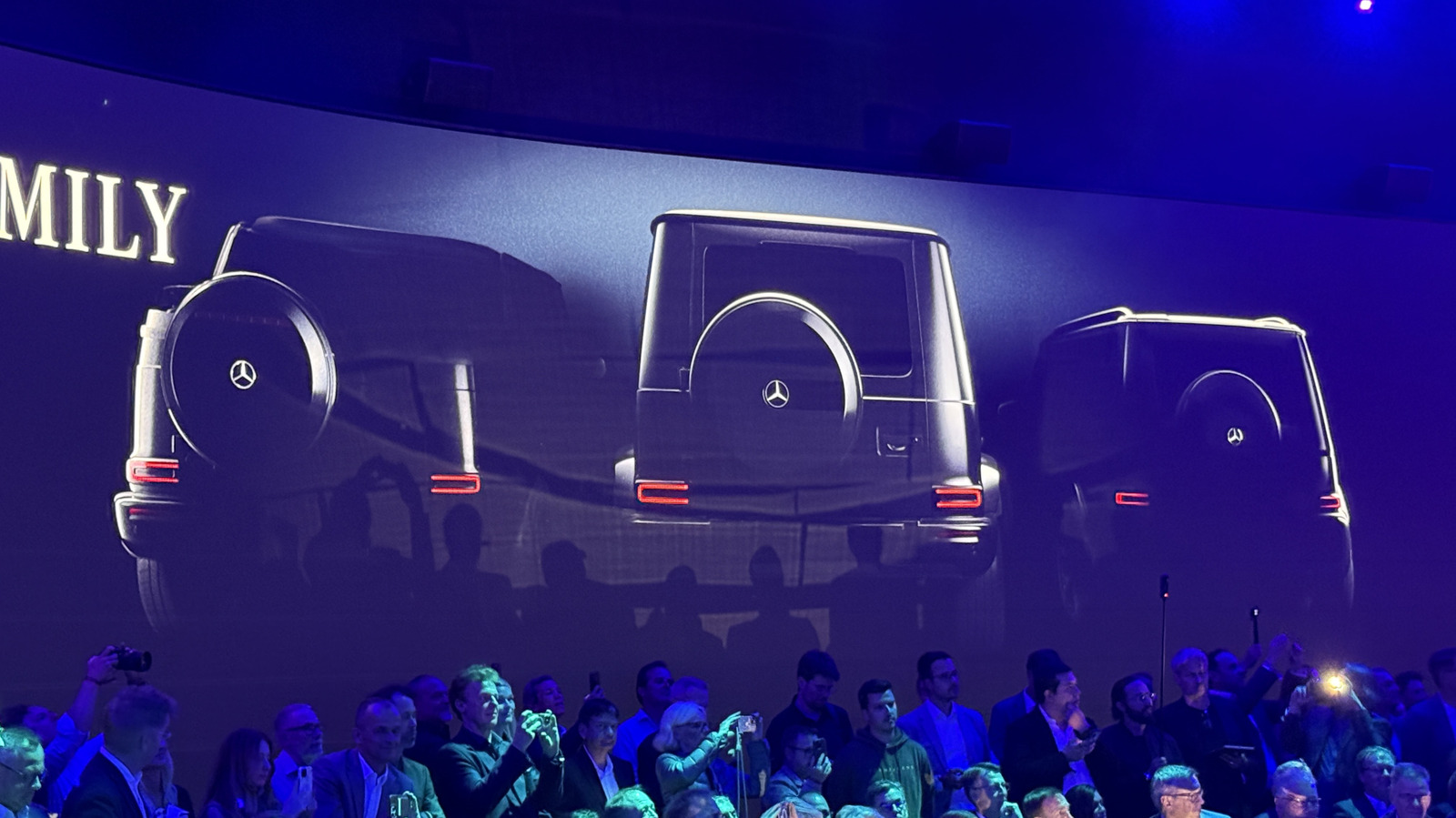
The automotive world is buzzing with anticipation as Mercedes-Benz prepares to introduce a groundbreaking addition to its iconic G-Klasse lineage: the "Little G," affectionately dubbed the Baby G Klasse. For decades, the Mercedes G-Wagen has stood as an uncompromising symbol of luxury off-roading, a vehicle of rugged capability and exclusive prestige. Now, with the confirmed development of a smaller, more accessible variant, Mercedes is poised to redefine its strategy, aiming to capture a broader market without sacrificing the legendary spirit of the G.
This strategic pivot sees Mercedes-Benz re-embracing entry-level models, signaling a departure from its recent pure-luxury focus. The Baby G Klasse represents not just a new model, but a bold statement about the future direction of the brand – one that blends heritage with accessibility, and raw power with urban sophistication. Early sightings of prototypes during test drives confirm its distinct G-Klasse aesthetic, albeit significantly scaled down, sparking immense excitement among enthusiasts and potential buyers alike.
The Dawn of the Baby G-Klasse: Why Mercedes is Shrinking an Icon
Mercedes-Benz CEO Ola Källenius has confirmed the development of this smaller G-Klasse, a move that is as calculated as it is daring. The decision reflects a broader industry trend towards diversification and the need to appeal to a wider demographic. While the full-size G-Klasse remains a highly profitable and coveted model, its formidable dimensions and premium price tag limit its reach. The Mercedes Little G aims to dismantle these barriers, offering the unmistakable G-Klasse allure to a new generation of buyers.
This strategy is particularly aimed at attracting more urban customers. Imagine the classic G-Wagen aesthetic, but in a package that can comfortably navigate congested city streets and, crucially, fit into standard parking spaces. This urban-friendly dimension is a significant draw, making the dream of owning a G-Klasse a tangible reality for those for whom the larger model was simply impractical.
However, this bold move is not without its risks. There's an inherent tension in making an exclusive, high-status vehicle more accessible. Some worry about the potential "dilution" of the G-Klasse's prestige. Will a more frequently seen Baby G Klasse diminish the mystique of its larger sibling? Mercedes will need to carefully manage this perception, ensuring that while the Little G opens the doors to new customers, it doesn't detract from the aspirational status of the original icon. Ultimately, this is a calculated gamble on market share versus exclusivity, a bet that the brand's enduring appeal can support both.
Design & Dimensions: A Familiar Face, Compacted
From the early spy shots, it's clear the Mercedes Little G will be instantly recognizable. Mercedes designers have evidently prioritized maintaining the iconic G-Klasse silhouette, a design language steeped in utilitarian charm and rugged elegance. We can expect the same upright stance, prominent grille, distinctive round headlights, and perhaps even the externally mounted spare wheel cover that defines its larger counterpart. The magic, however, lies in its significant shrinkage.
This reduction in size is not merely cosmetic; it fundamentally alters the vehicle's usability. For city dwellers, a compact off-roader means unparalleled maneuverability, easier parking, and a less intimidating presence on crowded roads. Yet, it promises to retain the G-Wagen's adventurous spirit. The challenge for Mercedes will be to miniaturize without compromising the robust character and perceived durability that buyers expect from a G-Klasse. It's a blend of ruggedness and sophistication that has yet to be seen in this segment with a luxury badge.
Under the Hood: Powertrain & Platform Debates
One of the most intriguing aspects of the Baby G Klasse lies in its underlying architecture and powertrain options. Initial reports suggested a standalone architecture with a scaled-down ladder frame chassis, a setup that would directly echo the G-Klasse's authentic off-road DNA. This approach would be a strong statement about its genuine capability.
However, more recent information, notably from Handelsblatt and Automobilwoche, points towards the Mini G potentially being based on Mercedes’ innovative MMA (Mercedes Modular Architecture) platform, the same architecture underpinning the forthcoming Concept CLA-Klasse. The MMA platform is primarily designed for future electric vehicles but can also accommodate traditional internal combustion engines, offering significant flexibility. If indeed the Baby G Klasse adopts the MMA platform, Mercedes faces the crucial task of engineering it to live up to the "at home off the road" promise made by Ola Källenius. This could involve significant modifications and reinforcements to ensure genuine off-road capability, perhaps integrating elements that mimic a ladder-frame's robustness within a unibody structure, or utilizing advanced suspension systems designed for rough terrain.
Regarding powertrains, Mercedes plans for a dual approach. While a fully electric variant is a primary focus – potentially envisioned as a "daughter or son" of the all-electric EQG – combustion engine options are also firmly on the agenda. This strategic decision to offer both electric and traditional powertrains is a smart move, catering to diverse global markets, differing charging infrastructures, and varying consumer preferences. It ensures the Mercedes Little G has a broad appeal, whether buyers are seeking zero-emission adventure or the familiar roar of a petrol engine.
Off-Road Prowess & Urban Appeal: The Best of Both Worlds?
Ola Källenius's declaration that the Baby G Klasse will be "fun to drive and at home off the road" sets a high bar. A smaller footprint doesn't necessarily mean reduced capability; in fact, for certain off-road scenarios, a more compact vehicle can be advantageous. Tighter trails, denser brush, and challenging rock crawls can sometimes be navigated more easily by a vehicle with reduced dimensions and a potentially better break-over angle, provided ground clearance and robust suspension are maintained.
Practical Tip for Future Owners: While the Little G promises genuine off-road credentials, remember that true capability often comes down to the driver. Familiarize yourself with basic off-road techniques, understand your vehicle's limits (and your own), and always go prepared. The blend of a compact size with serious off-road gear could make the Mercedes Mini G an exceptionally versatile vehicle for weekend warriors who crave adventure without compromising their daily urban commute. It's about empowering drivers to explore further, whether that's a remote forest track or a bustling downtown street.
Market Position & Competition: Challenging the Established
The arrival of the Baby G Klasse will undoubtedly shake up the compact off-roader segment, placing it in direct competition with formidable rivals like the Ford Bronco and the Land Rover Defender (particularly the Defender 90 and Defender Sport models). These vehicles have carved out strong niches, offering a compelling blend of retro styling, genuine off-road capability, and modern amenities.
Mercedes-Benz, however, brings its unique luxury cachet to the table. While the Baby G Klasse is expected to be significantly more affordable than the current G-Klasse (which starts around €120,000 in Germany), it will likely position itself at the premium end of the compact off-roader segment, above the base models of its competitors. The differentiation will lie not just in the iconic Mercedes star, but also in expected superior interior quality, cutting-edge technology, and refined on-road driving dynamics that are hallmarks of the brand.
The Mercedes Mini G: How the "Little G" Reshapes Luxury Off-Roading will be through its ability to offer a truly luxurious experience within a rugged package, a balance that few in this segment can achieve. It's about bringing the uncompromising attention to detail and engineering prowess of Mercedes-Benz to a more accessible, yet equally adventurous, platform.
Anticipated Launch & What It Means for Mercedes
While an official launch date for the Baby G Klasse remains unconfirmed, industry speculation points to a debut around 2026. This timeline allows Mercedes ample opportunity to fine-tune the vehicle, solidify its platform strategy, and ensure it lives up to the immense expectations associated with the G-Klasse nameplate. The lead-up to 2026 will undoubtedly be filled with more spy shots, concept reveals, and official teasers, steadily building excitement.
For Mercedes-Benz, the Baby G Klasse is more than just a new product; it's a strategic linchpin. It represents an opportunity to:
- Broaden Market Appeal: Attract younger buyers, urban professionals, and those seeking adventure without the full-size G's footprint.
- Increase Volume: Tap into a high-growth segment, increasing overall sales and profitability.
- Future-Proof the G-Klasse Brand: Introduce electrified options and a more sustainable vision for its most iconic off-roader.
- Reinforce Brand Identity: Demonstrate that Mercedes can innovate while respecting its heritage, bringing iconic design to new segments.
Conclusion
The Mercedes "Little G," or Baby G Klasse, is shaping up to be one of the most exciting new vehicle launches in the coming years. By blending the legendary design and off-road spirit of the G-Klasse with a more compact, urban-friendly footprint and diverse powertrain options, Mercedes-Benz is not just introducing a new model; it's ushering in a new era for luxury off-roading. The strategic pivot towards broader accessibility, while carefully navigating the exclusivity of its heritage, demonstrates Mercedes' commitment to innovation and market relevance. As 2026 approaches, all eyes will be on Stuttgart to see how this compact icon redefines adventure, one parkplatz at a time.